
Genetics
What factors affect your Testoserone levels? Your genes play a central role in how much testosterone your body makes and how sensitive your tissues are to it. Research shows:
- Testosterone “normal ranges” vary widely among men.
- A level that is normal for one man may not be optimal for another.
- Genetic conditions such as Klinefelter syndrome, androgen receptor mutations, or pituitary disorders can lead to genuine androgen deficiency.
Modern endocrine guidelines emphasise that higher is not always better. The goal is normal physiological levels, not supraphysiological levels which may increase risks.
Health Conditions and Diseases
Testosterone production is tightly regulated by the hypothalamus pituitary testicular axis (HPT axis). Any disruption can lower testosterone.
Conditions affecting the testes:
- physical injury
- infection
- chemotherapy or radiotherapy
- testicular cancer
- undescended testes
Conditions affecting the pituitary or hypothalamus:
- pituitary tumours
- chronic opioid use
- head trauma
- inflammatory diseases
Diabetes and Testosterone: A Two-Way Relationship
One of the strongest research-backed associations is between low testosterone and type 2 diabetes. Studies show:
- Men with diabetes are significantly more likely to have low testosterone.
- Men with low testosterone have a higher risk of developing diabetes later.
- Up to 58% of type 2 diabetes cases can be prevented or delayed with weight loss, exercise, and better nutrition which also tend to improve testosterone.
- This relationship is so strong that low testosterone is now considered a marker of metabolic dysfunction.
Body Weight and Metabolic Health
Obesity is one of the most powerful modifiable factors lowering testosterone.
Research consistently shows:
- Higher body fat = lower testosterone
- Losing weight significantly increases testosterone
- Improvements are especially dramatic in men with obesity or metabolic syndrome
Even modest weight loss can substantially raise testosterone levels. Bariatric surgery, for example, has been shown to increase testosterone into the normal range in most men with obesity.
Maintaining a healthy weight also helps prevent the natural age-related decline seen in some men.
Age
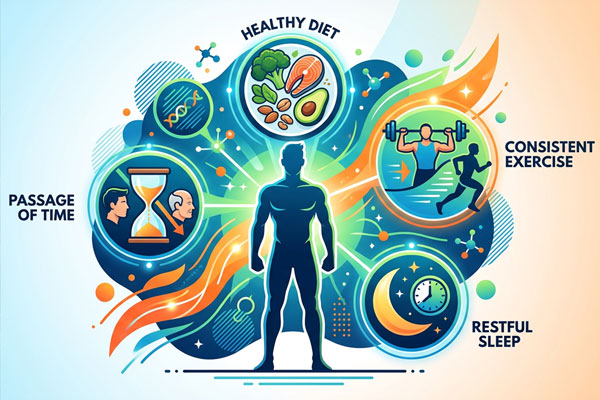
Testosterone peaks during adolescence and early adulthood. After that, levels tend to decline gradually.
However, modern research contradicts the myth of “male menopause”:
- Healthy older men without obesity, diabetes, or chronic illness maintain stable testosterone levels.
- Much of the testosterone decline attributed to aging is actually due to lifestyle and health conditions not age itself.
In other words: aging alone rarely causes low testosterone.
Sleep
Sleep is one of the most underrated hormonal regulators.
In a controlled study of 10 healthy young men, restricting sleep to five hours per night for just one week caused:
- a 10–15% drop in daytime testosterone
- reduced energy
- decreased sense of wellbeing
Deeper and uninterrupted sleep correlates with higher testosterone production. Chronic sleep issues such as sleep apnoea are strongly associated with low testosterone and should always be screened in men with symptoms.
Medications, Alcohol, and Lifestyle Factors
Certain medications can lower testosterone, including:
- long-term opioids
- glucocorticoids
- some antidepressants
- anti-androgens
Excessive alcohol, smoking, and recreational drug use can also suppress testosterone production and worsen fertility.
Steroid Abuse and Online Testosterone Products
Testosterone therapy is safe only when prescribed for medically diagnosed hypogonadism and monitored by qualified clinicians.
Using non-prescribed testosterone or anabolic steroids is dangerous and illegal in Australia and research shows it can cause:
- heart muscle damage
- liver injury
- infertility
- blood clots
- psychiatric effects
- breast tissue growth (gynaecomastia)
- long-term suppression of natural testosterone production
Many men experience months or even years of low testosterone after stopping steroid abuse a condition known as anabolic steroid–induced hypogonadism (ASIH).
Latest Clinical Trial Evidence (TRAVERSE Trial, 2023)
The TRAVERSE trial found that medically supervised testosterone therapy did not increase the rate of heart attack or stroke over two years. However, it did show higher rates of:
- pulmonary embolism
- atrial fibrillation
- kidney injury
These risks highlight why clinical monitoring is essential and why buying testosterone online from unregulated sources is extremely unsafe.
Stress and Mental Health
Chronic stress increases cortisol, which can suppress testosterone production. Studies show that long-term emotional stress, depression, and anxiety can reduce testosterone levels and improving mental wellbeing can improve hormone balance.
Diet and Nutritional Status
Certain deficiencies can reduce testosterone, including:
- zinc
- vitamin D
- magnesium
However, supplements are only effective if you’re deficient. Most “testosterone boosters” have no proven benefit and may contain unsafe or undisclosed ingredients.
Key Takeaways
- Many factors affecting testosterone are modifiable, especially weight, sleep, and metabolic health.
- Genetic and medical conditions also play a major role and require proper evaluation.
- Supplements marketed as “testosterone boosters” largely lack evidence.
- Illegal or unregulated testosterone products can cause lasting harm.
- Medically supervised TRT can be safe, but only when used correctly and for the right reasons.
If you suspect low testosterone, the safest and most effective approach is:
- Get a proper medical assessment, including blood tests and evaluation of underlying conditions.
References
- Orwoll E. Safety of Testosterone-Replacement Therapy in Older Men. N Engl J Med 2023;389:177–178.
- Lincoff A.M. et al. TRAVERSE Trial Results. New England Journal of Medicine. 2023.
- Snyder P.J. et al. The Testosterone Trials. N Engl J Med, 2016–2017 series.
- Endocrine Society Clinical Practice Guideline: Testosterone Therapy in Men With Hypogonadism.
- American Urological Association (AUA). Testosterone Deficiency Guidelines.
- Grossmann M., Zajac J. Management of Male Hypogonadism in Clinical Practice. Lancet Diabetes Endocrinol.
- Yeap B.B. Testosterone and Ageing Male Health. Clin Endocrinol.
- Tasali E. et al. Effect of Sleep Restriction on Testosterone Levels in Men. JAMA.
- Australian Government Department of Health. Therapeutic Goods Administration (TGA) Safety Bulletins.
- Handelsman D.J. Testosterone and Metabolic Syndrome. Endocrine Reviews.